Artificial intelligence in the HR environment: innovation and responsibility
Digital HR work with AI - intelligent, data protection-compliant, value-oriented

Digital HR work with AI - intelligent, data protection-compliant, value-oriented
In times of skills shortages, hybrid working models and increasing cost pressure, HR managers are looking for ways to make their processes more efficient and improve the quality of their work at the same time. Artificial intelligence offers promising opportunities and the technology is becoming increasingly powerful. However, many companies are still hesitant to integrate AI into their HR processes. Concerns range from data protection concerns and ethical issues to acceptance problems among employees and managers.
However, it is already clear that, if used correctly, AI can revolutionize HR work and relieve HR teams of time-consuming routine tasks. Modern AI systems analyze CVs in a matter of seconds, make a targeted pre-selection, identify skills gaps in the company and create data-based forecasts for future personnel requirements. They support the design of tailor-made job advertisements, optimize the onboarding of new team members, help to identify development potential and personalized training planning. Not least because of this wealth of capacity-saving functionalities, the industry association Bitkom also states that AI will find its way into many HR departments [1]. This is because the time gained can be invested by HR specialists in what no AI can replace: personal support for employees, strategic personnel development and the establishment of a value-oriented corporate culture.
A balanced approach that reconciles technological innovation with ethical principles and data protection is crucial for the successful use of AI in the HR department. This is achieved through transparent processes, clear governance structures and the consistent involvement of all stakeholders. Technology must be seen as a support tool that complements, but does not replace, human decision-making. Modern AI solutions work with local data storage, encrypted communication and audit-proof documentation and can be implemented step by step and adapted to the specific needs of the company.
AI helps companies to make more objective and data-based personnel decisions, eliminate biased or prejudiced behavior as far as possible and improve the employee experience. At the same time, new demands are being placed on HR teams that require both technological understanding and ethical expertise. Companies that actively shape this change while keeping an equal eye on people and technology will create the basis for future-proof and sustainable HR work.
[1] https://www.bitkom.org/Presse/Presseinformation/KI-Einzug-in-Personalabteilungen
Significant time savings through automated analysis of applications and personnel documents
Reduction of unconscious bias through data-based decision support

Maximum protection of sensitive personal data through encrypted processing and local data storage
Flexible adaptation of AI functionalities to changing business requirements


Sandra Daniel, personnel officer and training manager at GTÜ

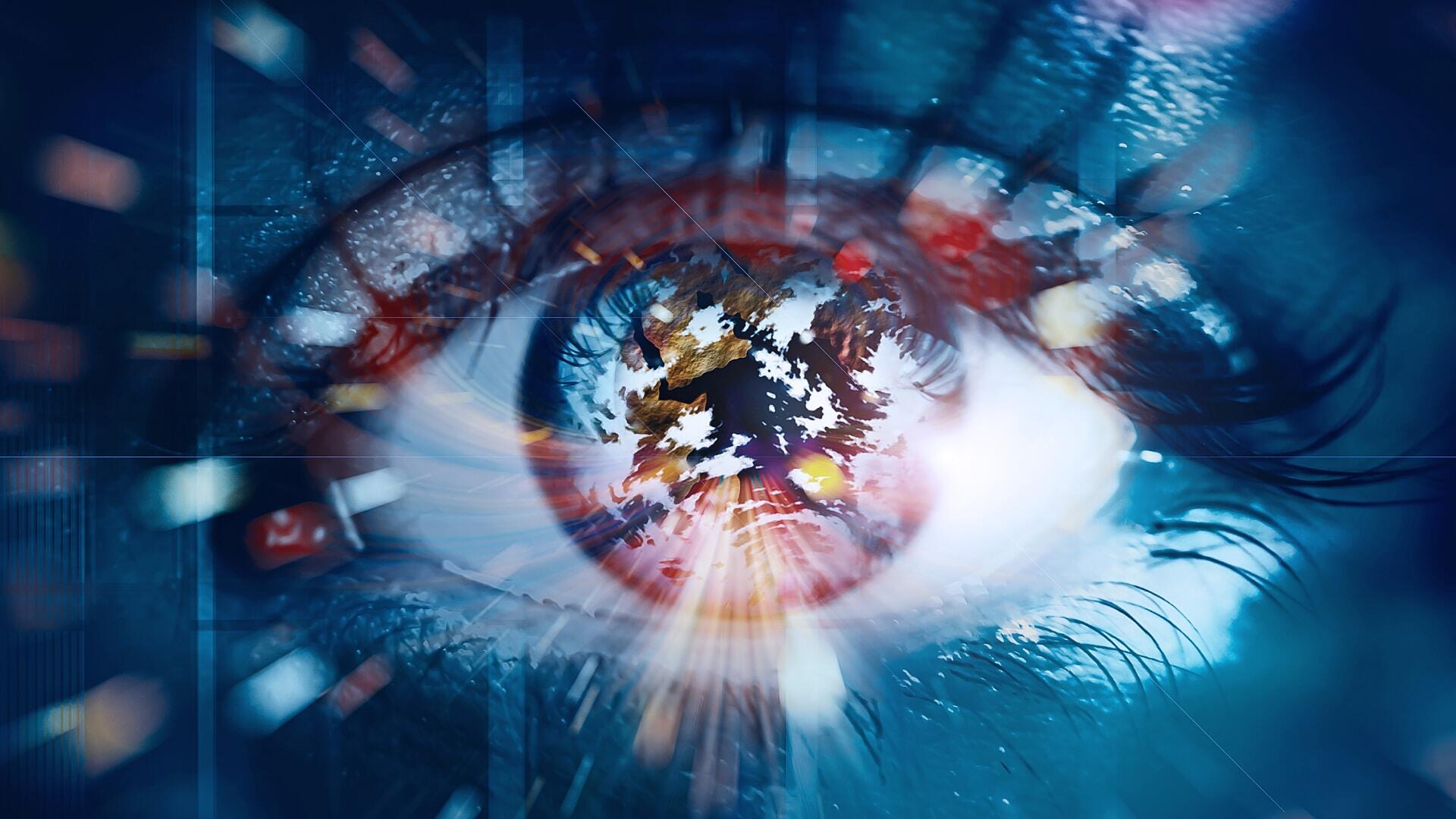
Digital AI solutions are fundamentally transforming recruitment. They analyze CVs in a matter of seconds, identify qualifications and match them with job requirements. This is not about replacing human decisions, but about intelligent pre-selection and increasing efficiency. HR teams gain valuable time for the personal support of promising candidates. Modern systems take ethical aspects into account and avoid discriminatory factors. The technology thus creates the basis for fair, data-based recruiting processes while at the same time increasing the speed and quality of personnel selection.
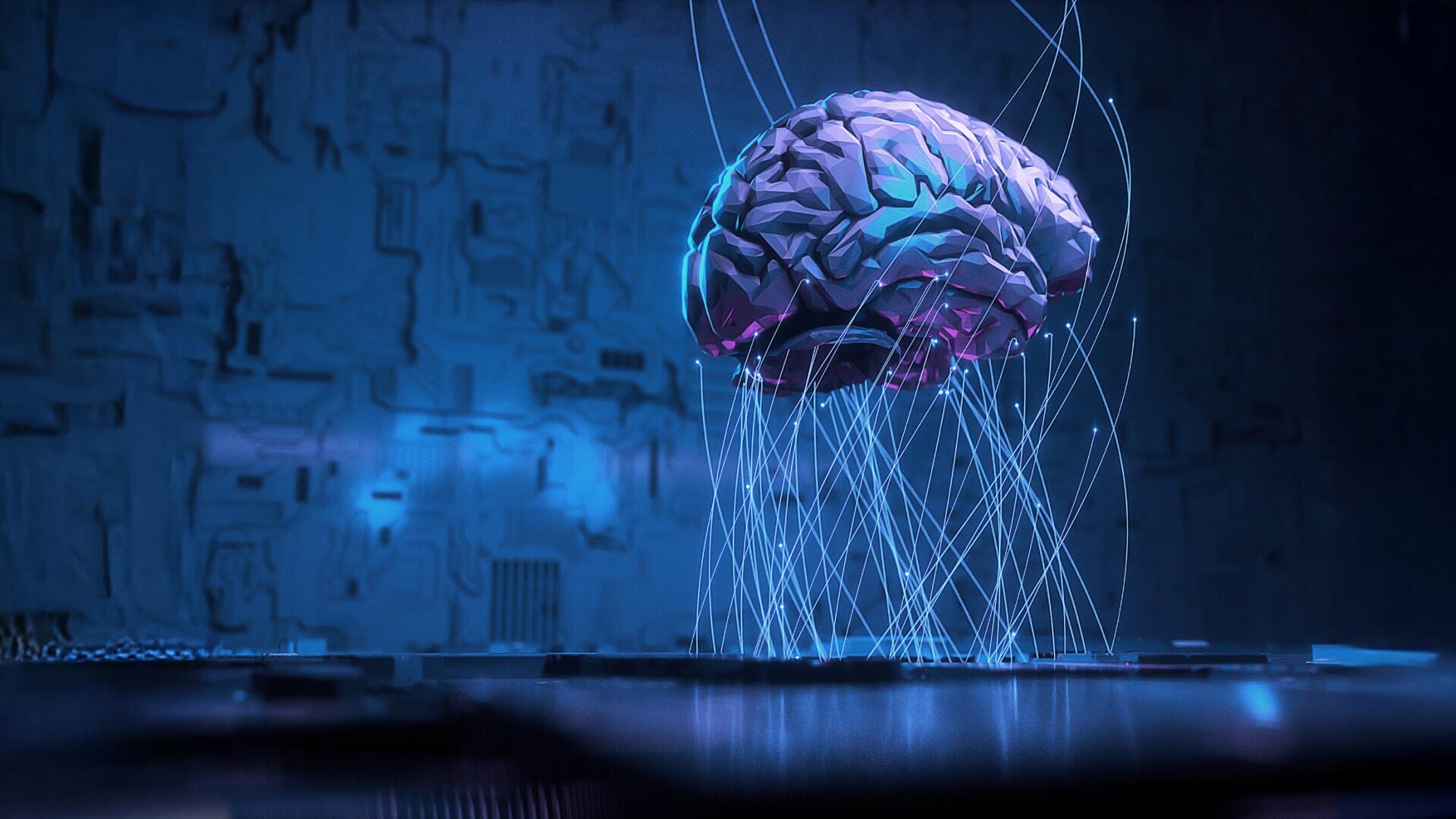
AI-supported systems are revolutionizing strategic personnel development. They analyze existing skills, identify development potential and create individual learning paths. By analyzing large data sets, they can make precise predictions about the skills required in the future. Managers receive a sound basis for making decisions on the development of their teams. The systems take into account both individual career aspirations and strategic corporate goals. This enables much more targeted talent development and helps to identify critical skills gaps at an early stage.
The use of AI in HR requires the highest standards of data security and compliance. Modern systems work with multi-level encryption and granular rights management. All processes are GDPR-compliant and ensure maximum transparency regarding the use of personal data. AI decisions are comprehensibly documented and can be reviewed at any time. Regular audits ensure that ethical guidelines are adhered to. This creates trust in the new technology among all those involved.

Growing employee turnover poses major challenges for companies, as it consumes time and financial resources for hiring and training new talent and often causes productivity losses. AI systems help companies to sustainably increase the satisfaction and loyalty of their workforce. By continuously analyzing and correlating feedback, sentiment and engagement data with dismissal behavior and knowledge of the work climate, HR teams can identify warning signs early on and take preventative measures. Optimized planning of shifts and vacations also contributes to the increasingly demanding work-life balance. Personalized development offers and tailored benefits, which are created on the basis of AI analyses, also help employees to feel more connected to the company in the long term. The technology thus helps to create a positive corporate culture and strengthen the bond between the company and its workforce in the long term.
The use of artificial intelligence in HR includes intelligent software solutions that support HR processes through machine learning and automated data analysis. The systems can process large amounts of data, recognize patterns and generate decision proposals. In contrast to rule-based systems, AI solutions learn continuously and constantly improve their results.
Artificial intelligence is increasingly becoming an indispensable tool in modern HR work and is revolutionizing almost all areas of HR. In recruiting, for example, AI enables a much more efficient and objective pre-selection of suitable applicants through the automated analysis of CVs and the systematic comparison of candidate profiles with job requirements. In personnel development, AI helps to identify hidden potential in the workforce and create individualized training plans based on comprehensive data analyses. With optimized onboarding processes, new employees can be integrated into the company in a more targeted and efficient manner. In the operational HR area, artificial intelligence is increasingly taking over administrative tasks such as document management and workforce scheduling. HR reporting takes on a new quality thanks to AI-supported analyses, as the technology provides valuable insights for strategic HR decisions and identifies trends at an early stage.
Overall, the automation of time-consuming routine tasks frees up HR employees to focus on strategic HR work. Data-based decision-making leads to more objective results and helps to systematically reduce unconscious bias in HR processes. At the same time, automation increases overall efficiency while reducing the error rate.
Modern AI solutions in the HR sector rely on multi-level security concepts with encrypted data transmission and storage. Granular authorization management regulates access to sensitive information. Data processing takes place exclusively in certified data centers in compliance with the GDPR. Regular audits ensure compliance with security standards.
Key ethical aspects of AI-supported decisions are fairness, transparency and equal treatment. Important:
The introduction should take place gradually, starting with simple use cases. The early involvement of all stakeholders, transparent communication and comprehensive training measures are crucial. Well thought-out change management helps to counter any resistance within the workforce at an early stage and reduce reservations. Clear success criteria and regular monitoring support sustainable integration.

Are you planning to introduce or expand one of our solutions? With over 35 years of experience in the field of human capital management, we will be happy to answer your questions and provide you with individual advice. Simply make an appointment with us!